

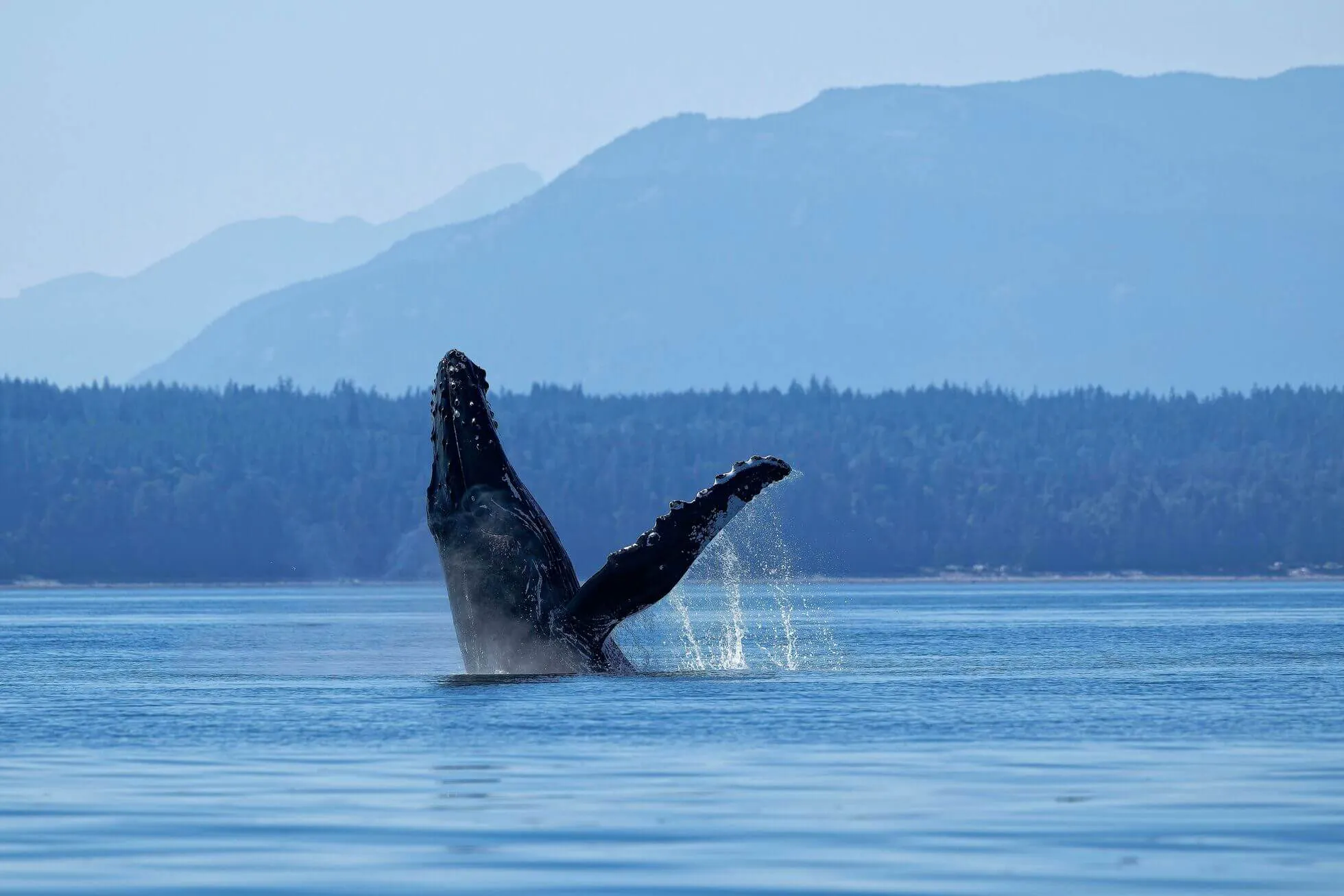
Fossil Fuel Threats to the Ocean: Marine Life and Coastal Communities at Risk
During the first half of 2026, global economies have experienced the consequences of fossil fuel dependence. Despite this, and repeated warnings by organizations such as the International Energy Agency that new oil and gas fields and long-lived fossil fuel infrastructure are incompatible with limiting global warming to 1.5ºC, many countries are planning to ramp up their fossil fuel activities – in fact, 85% of all new hydrocarbon discoveries in 2024 were located offshore.
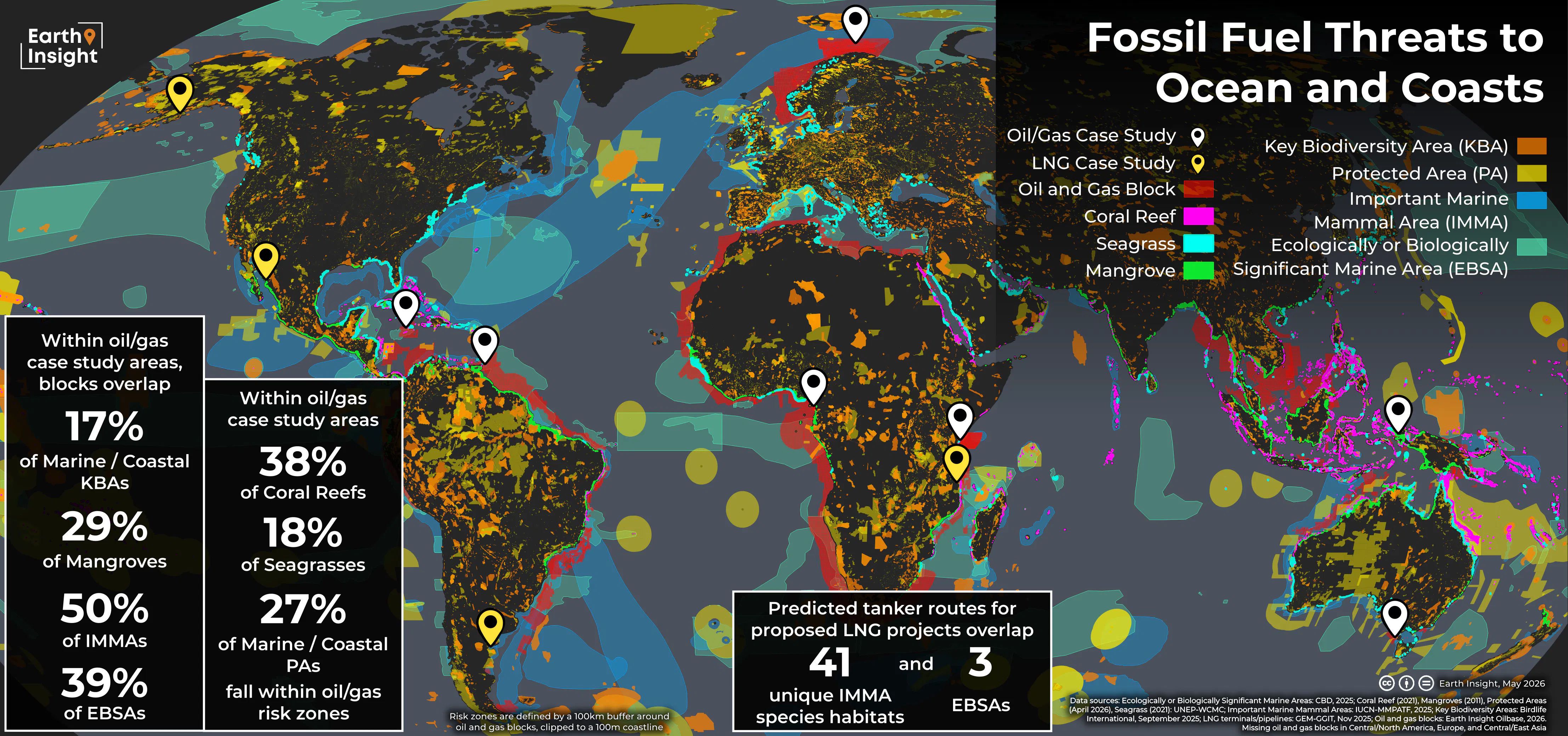
This report examines a new wave of planned oil, gas and liquefied natural gas (LNG) expansion in coastal and offshore regions around the world. Across 11 case studies, this report looks at countries where significant fossil fuel investment plans are moving forward or being actively promoted. These include new LNG export projects in Argentina, Alaska, Mexico and Tanzania; and expanded offshore licensing in Australia, Cameroon, Indonesia, Jamaica, Kenya, Norway, and Trinidad & Tobago.
Together, these projects show how oil and gas expansion is not limited to isolated wells or single offshore blocks. It often involves large, connected systems of pipelines, ports, export terminals, seismic surveys, shipping routes, processing facilities and other associated onshore infrastructure. If built, these projects could lock countries into decades of fossil fuel infrastructure dependence, while increasing pressure on biodiversity, coastal livelihoods and climate stability.
The report draws on geospatial analysis to assess how planned or existing oil and gas blocks, LNG infrastructure, and associated risk zones overlap with Marine and Coastal Protected Areas (PAs), Important Marine Mammal Areas (IMMAs), Key Biodiversity Areas (KBAs), Ecologically or Biologically Significant Marine Areas (EBSAs), coral reefs, seagrasses, and mangroves.
Case Studies
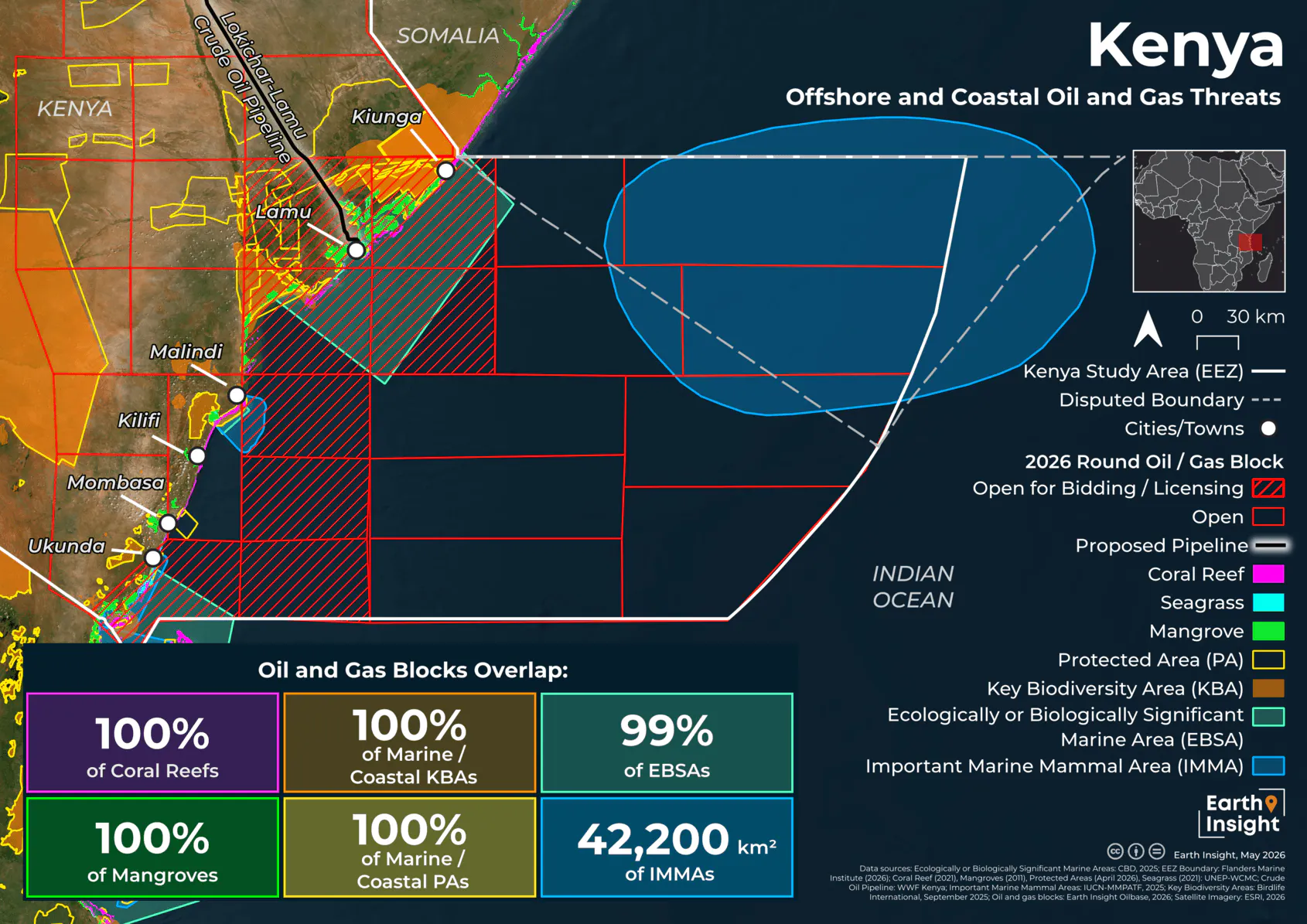
Kenya’s proposed offshore blocks overlap with virtually all coral reefs, mangroves, PAs, and KBAs, and most of the IMMAs in the country.
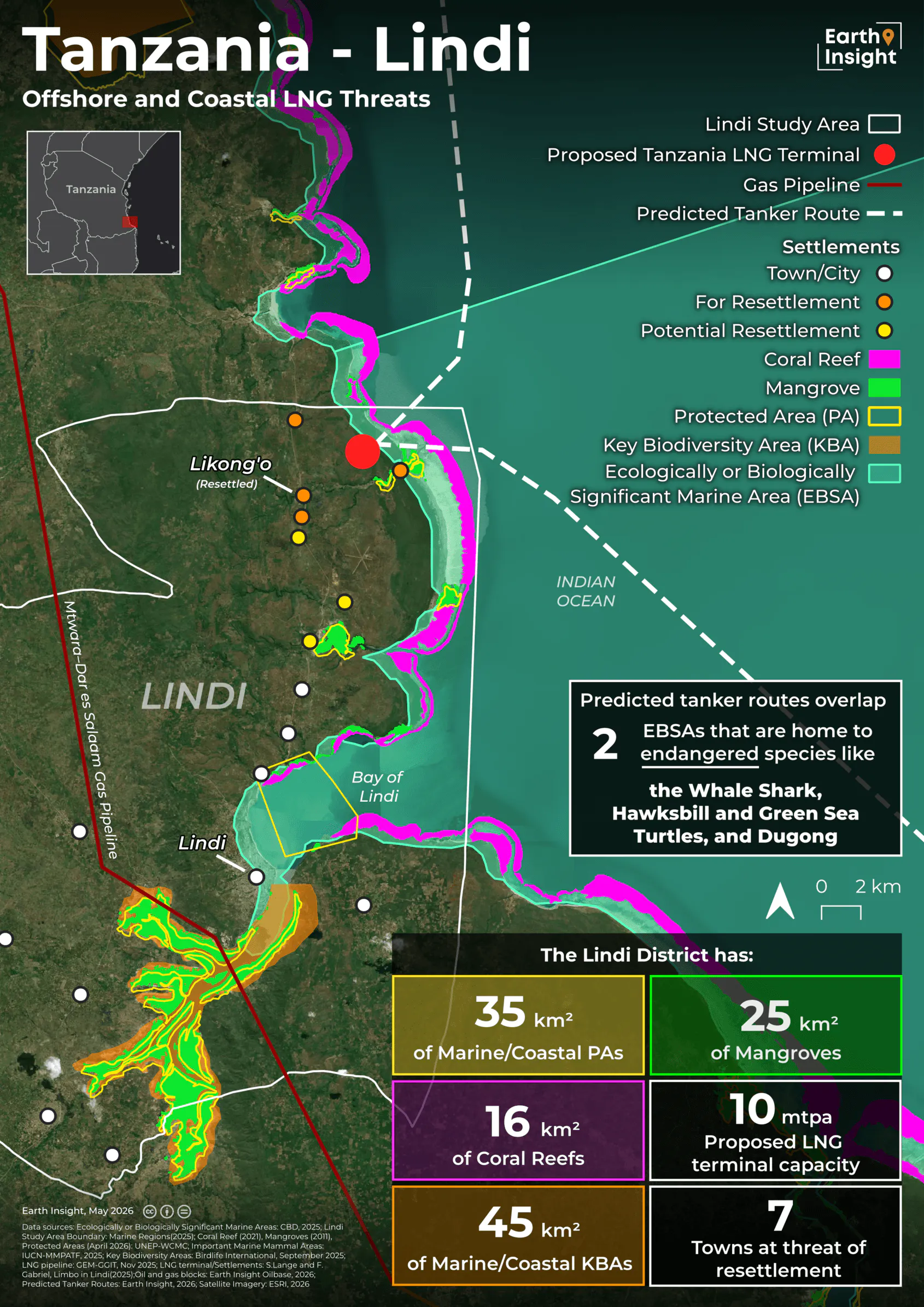
Tanzania’s planned LNG project would add new pressure to the Mozambique Channel EBSA and coastal habitats around Lindi.
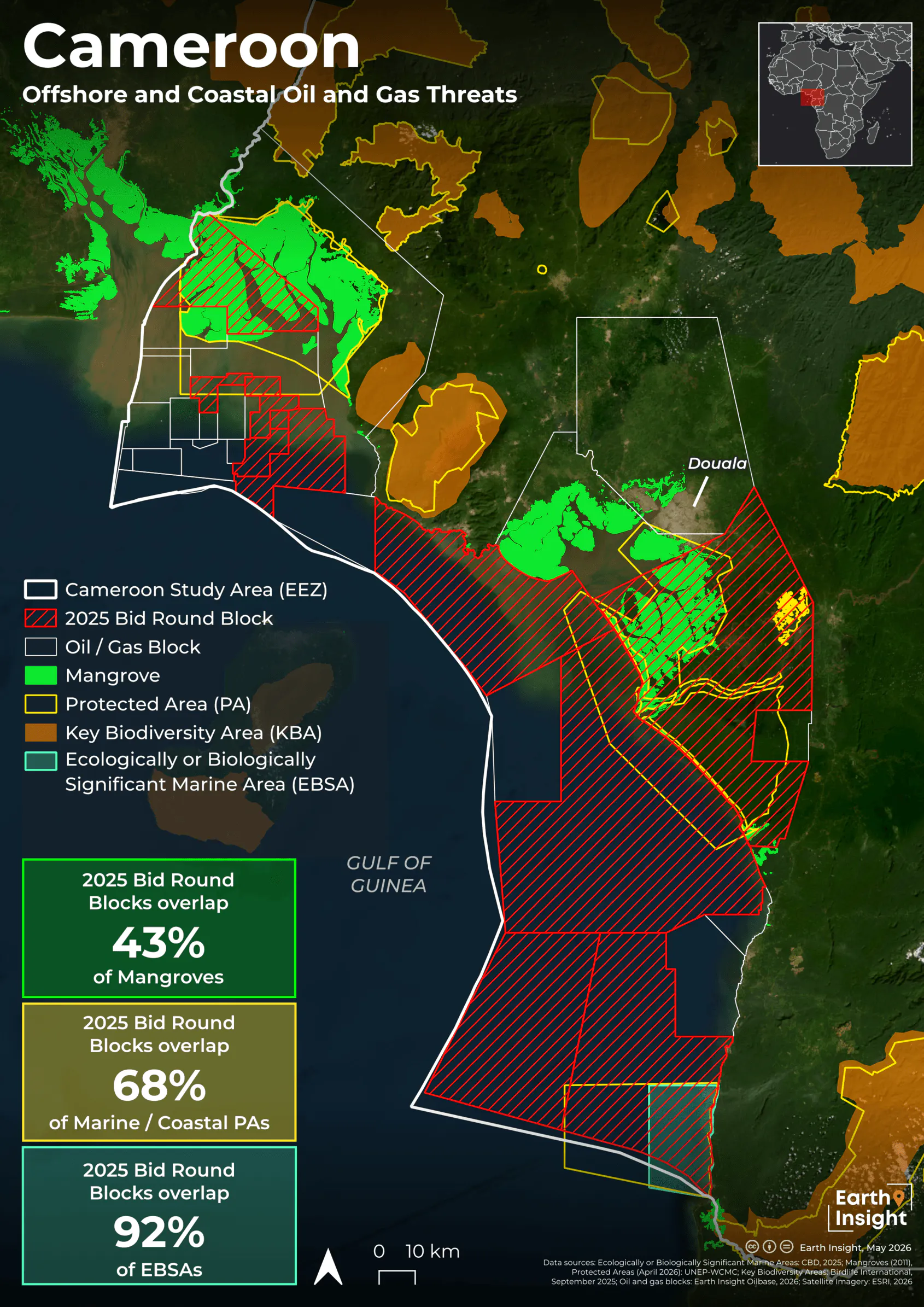
In Cameroon, new blocks overlap mangroves, estuaries, and protected coastal landscapes in regions with a long history of oil pollution and gas flaring.
In Norway, new licenses in the Barents Sea overlap with Arctic marine ecosystems and the North Atlantic humpback whale migratory corridor.
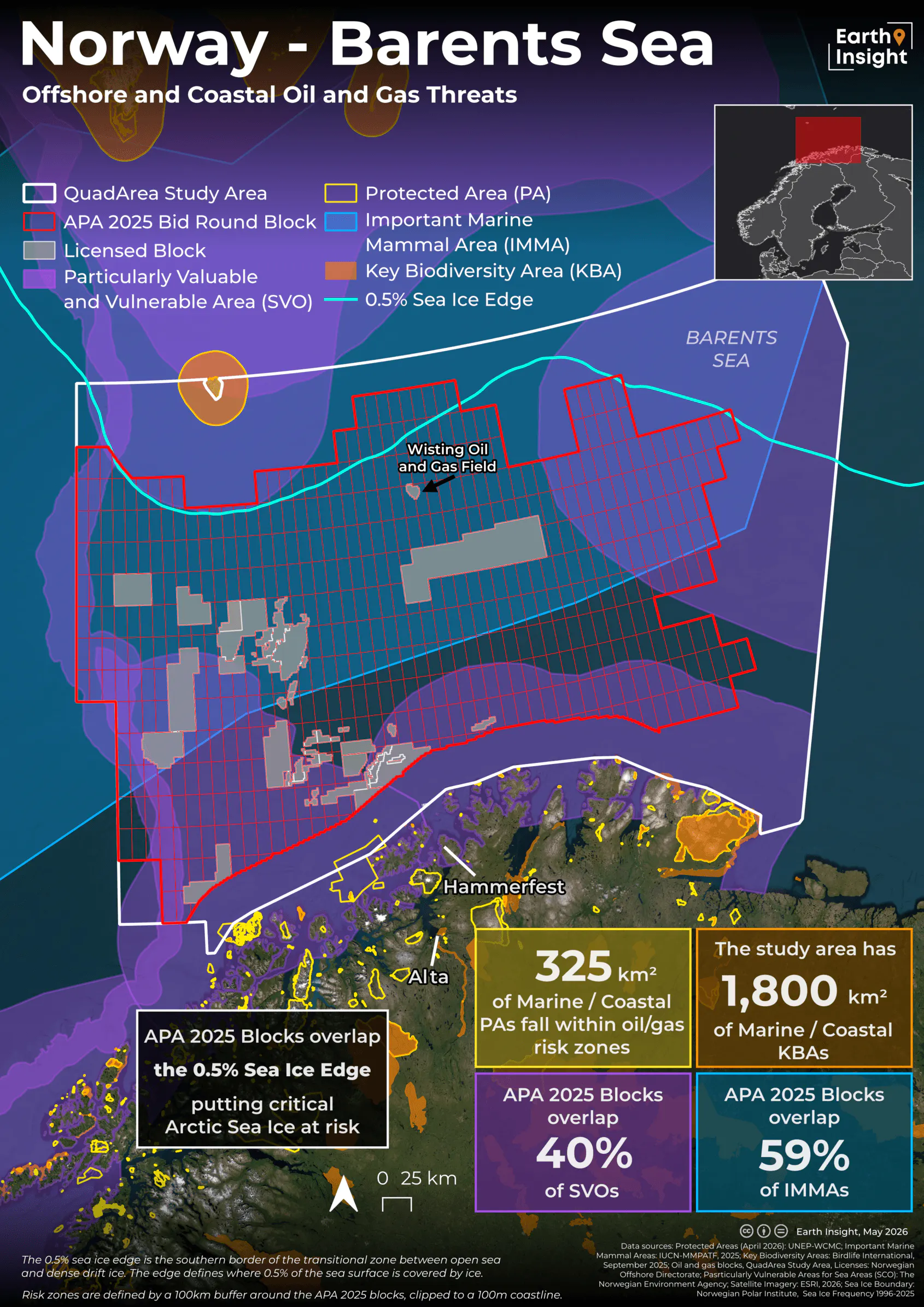
In Alaska, the proposed LNG project would link the North Slope and Cook Inlet through an 800-mile pipeline, increasing pressure on beluga whale habitat, salmon fisheries, and Indigenous food systems. In Norway, new licenses in the Barents Sea overlap with Arctic marine ecosystems and the North Atlantic humpback whale migratory corridor.
%20(1).png)
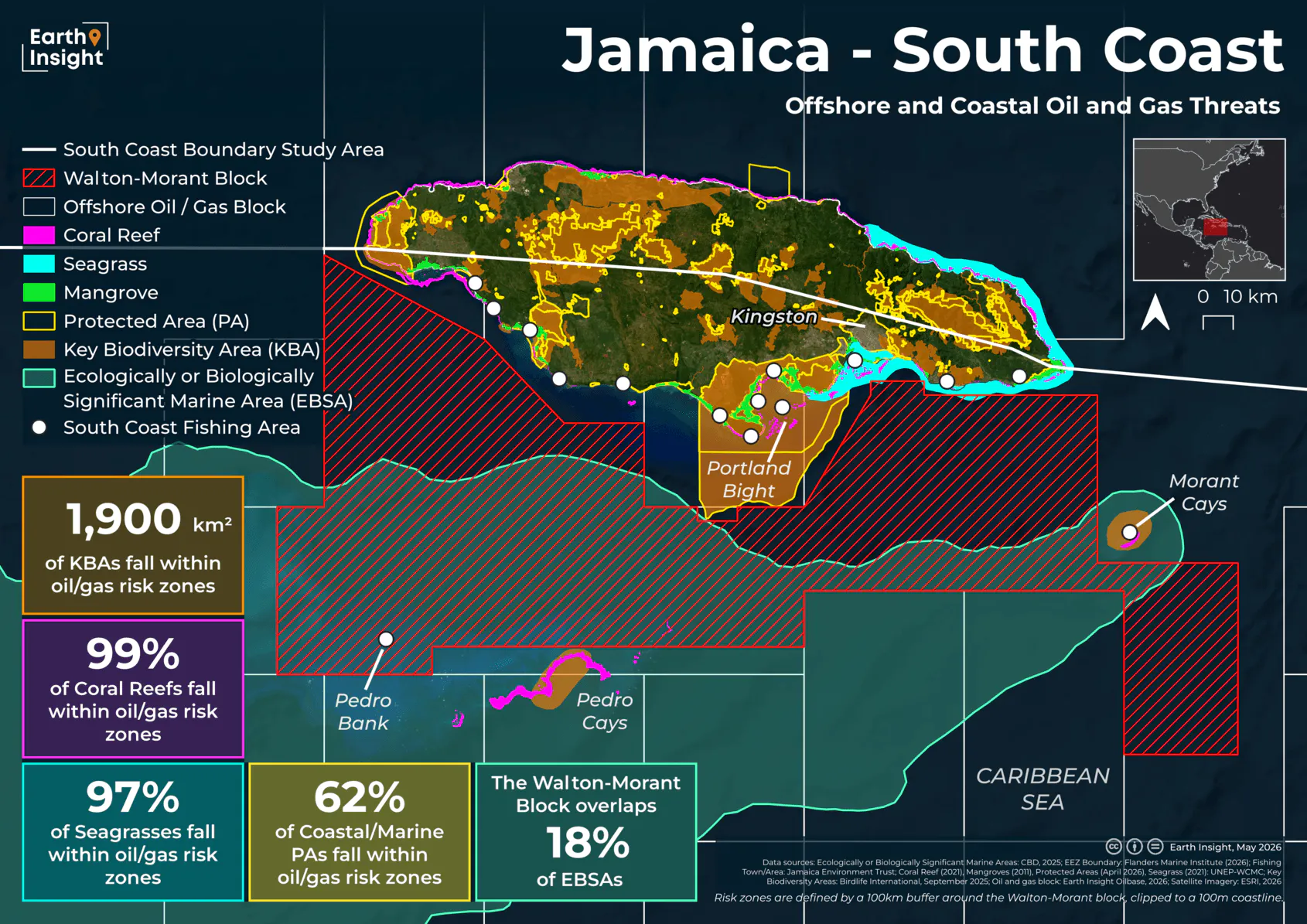
Jamaica’s Walton-Morant block threatens nearly all coral reefs and seagrass beds in the south coast, affecting fishing grounds and tourism-dependent coastal communities.
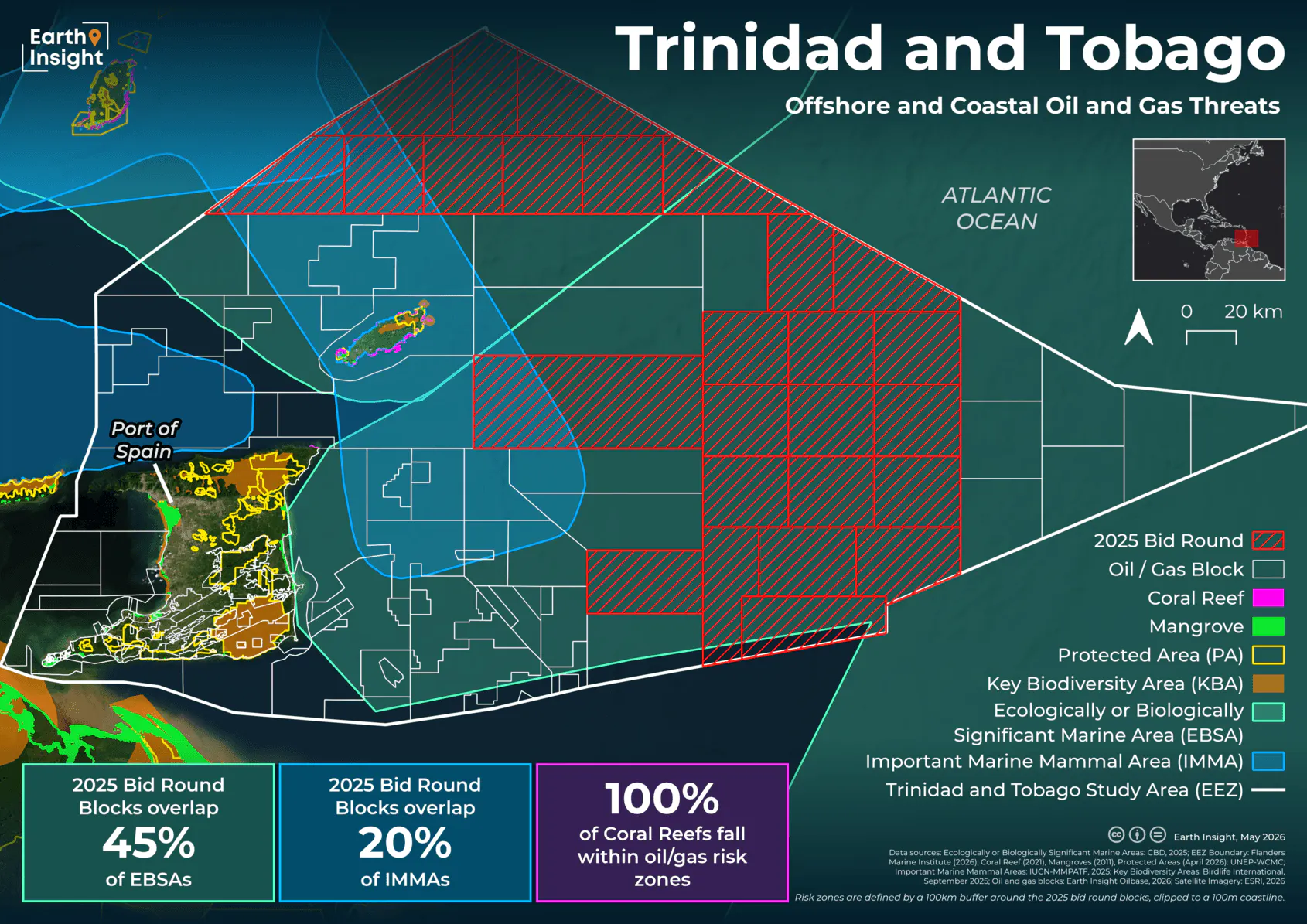
In Trinidad & Tobago, all the coral reefs are within oil and gas risk zones and an EBSA about ten times the size of the country is overlapped by the 2025 bid round blocks.
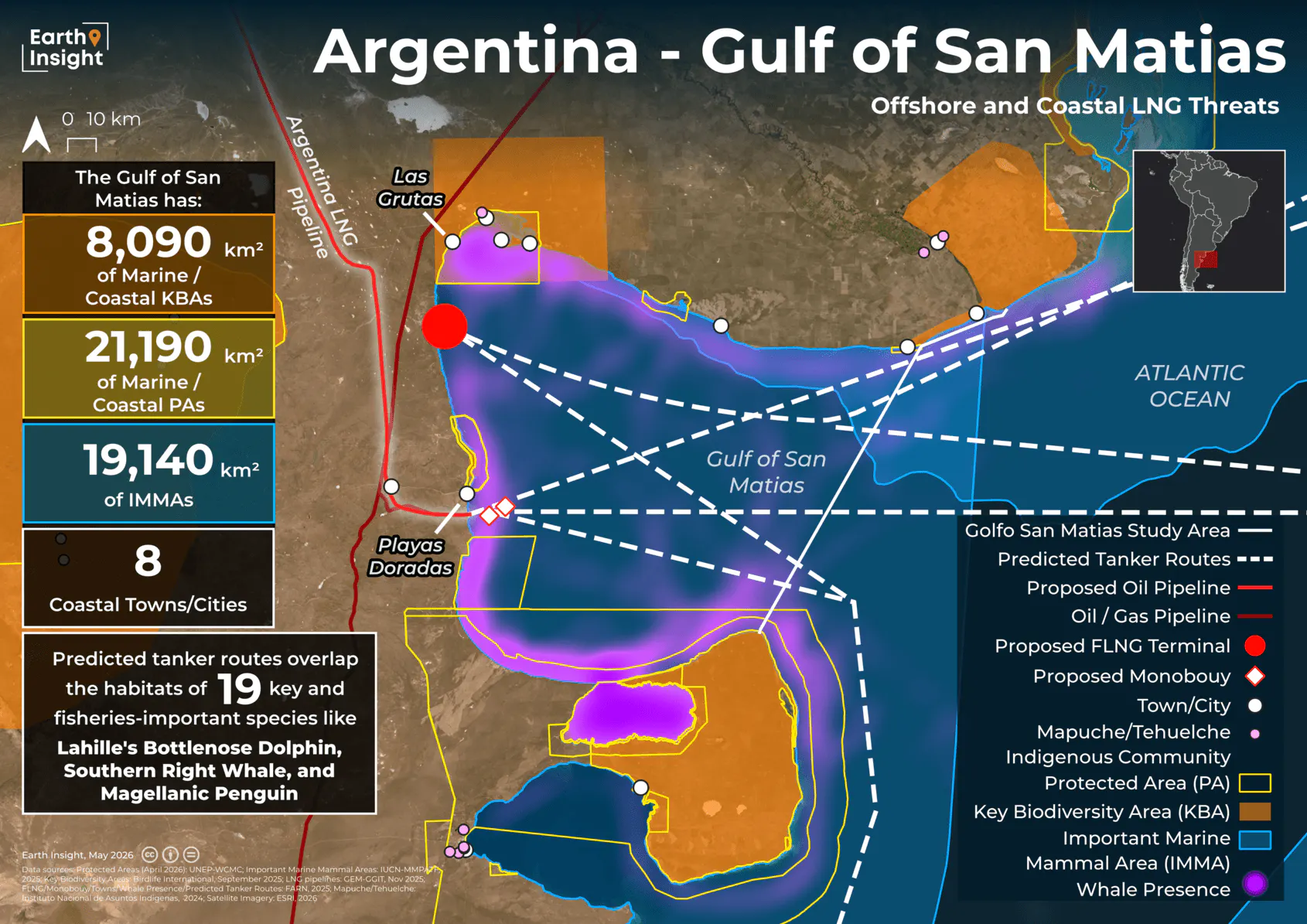
In Argentina’s Gulf of San Matías, planned LNG infrastructure would affect a semi-enclosed Patagonian marine ecosystem used by southern right whales, Magellanic penguins, dolphins, sea lions, and artisanal fishing communities.
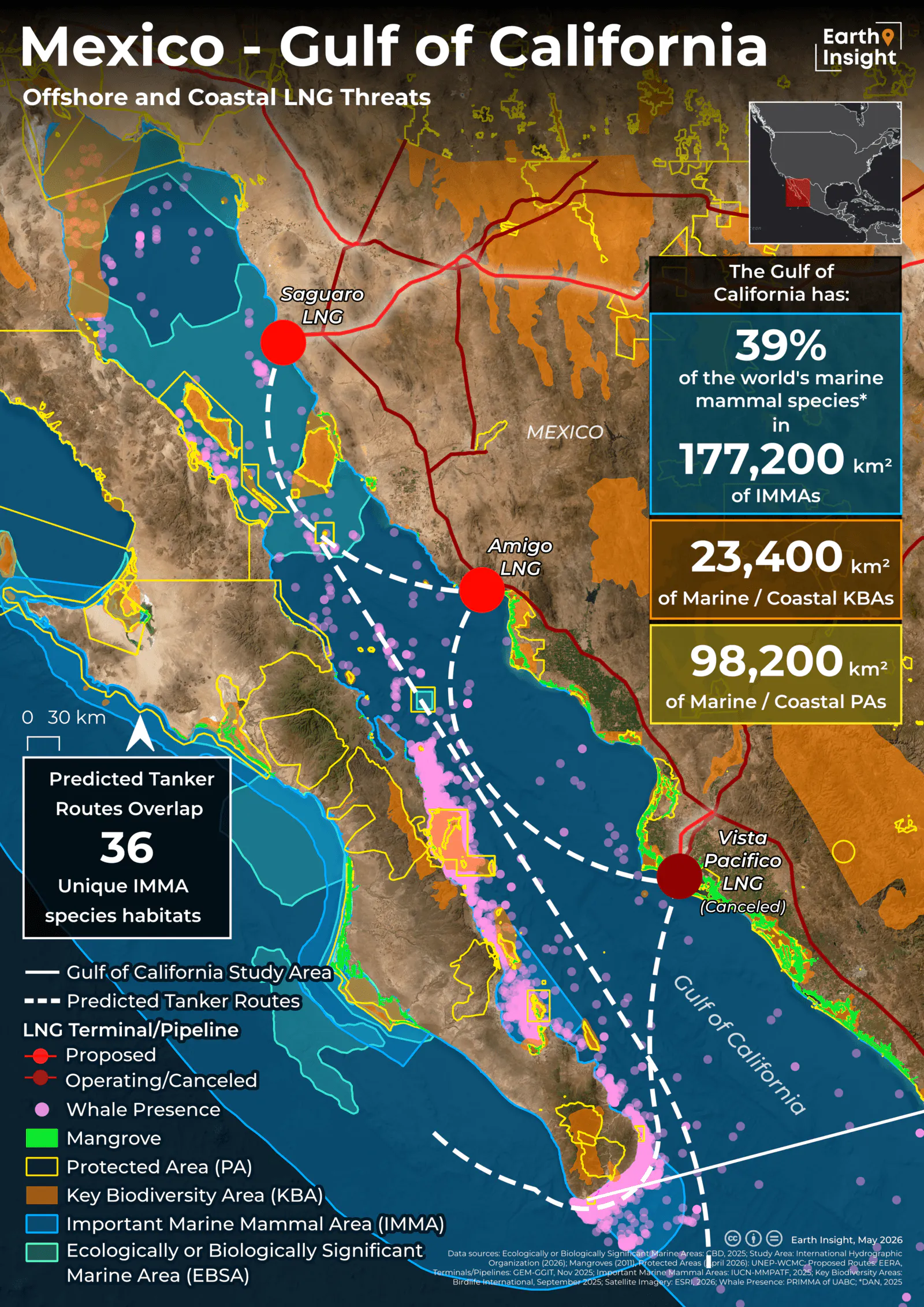
In Mexico, planned LNG export projects in the Gulf of California would add tanker traffic, pipelines, and gas infrastructure to one of the world’s most ecologically important marine regions. Although Vista Pacífico LNG has been cancelled, other projects such as Saguaro LNG and Amigo LNG could still increase risks from ship strikes, underwater noise and pollution in a key whale habitat.
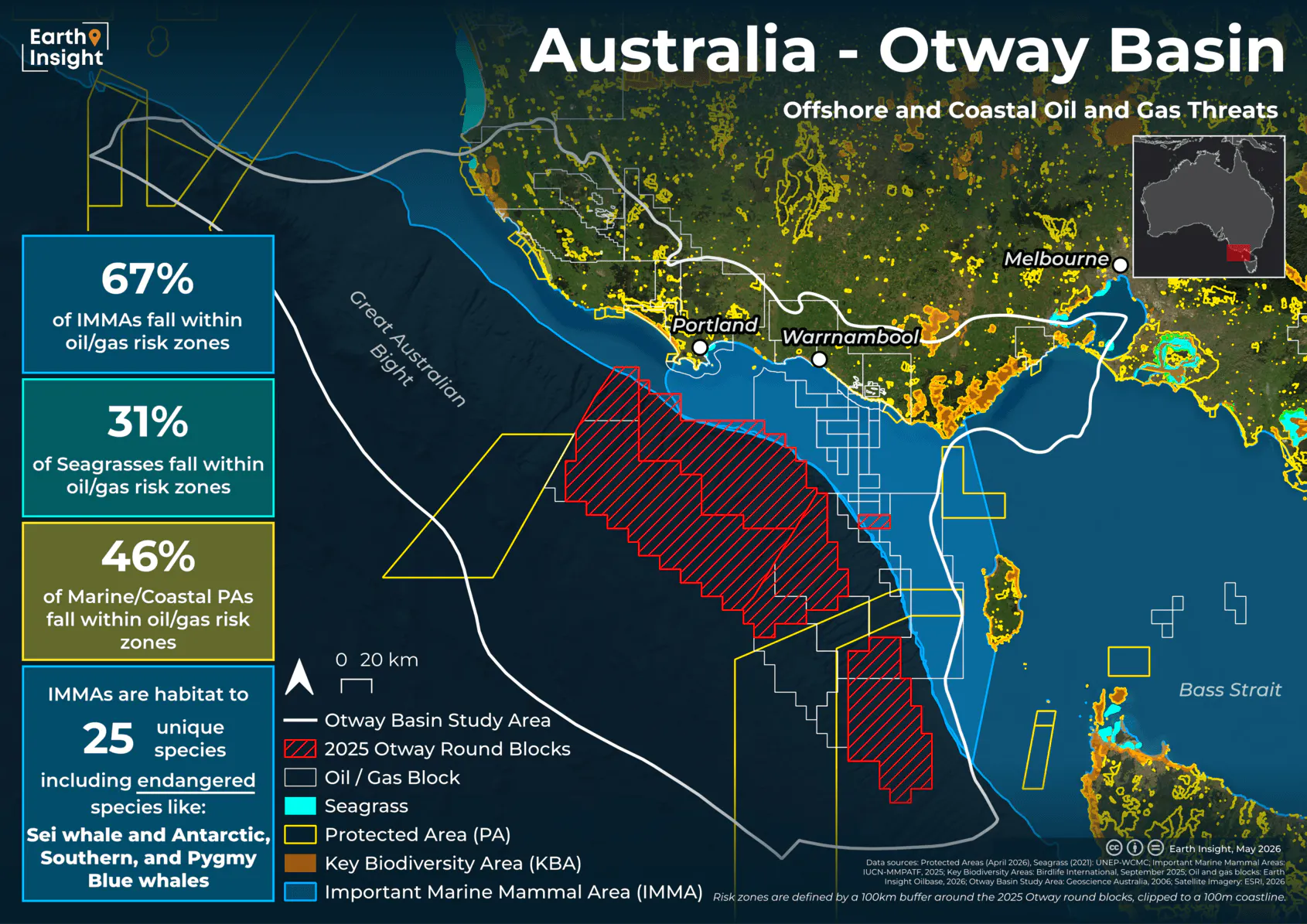
In Australia, the Otway Basin release illustrates the persistence of offshore expansion pressures in waters that are critical for whales, seabirds, seagrass, and coastal livelihoods.
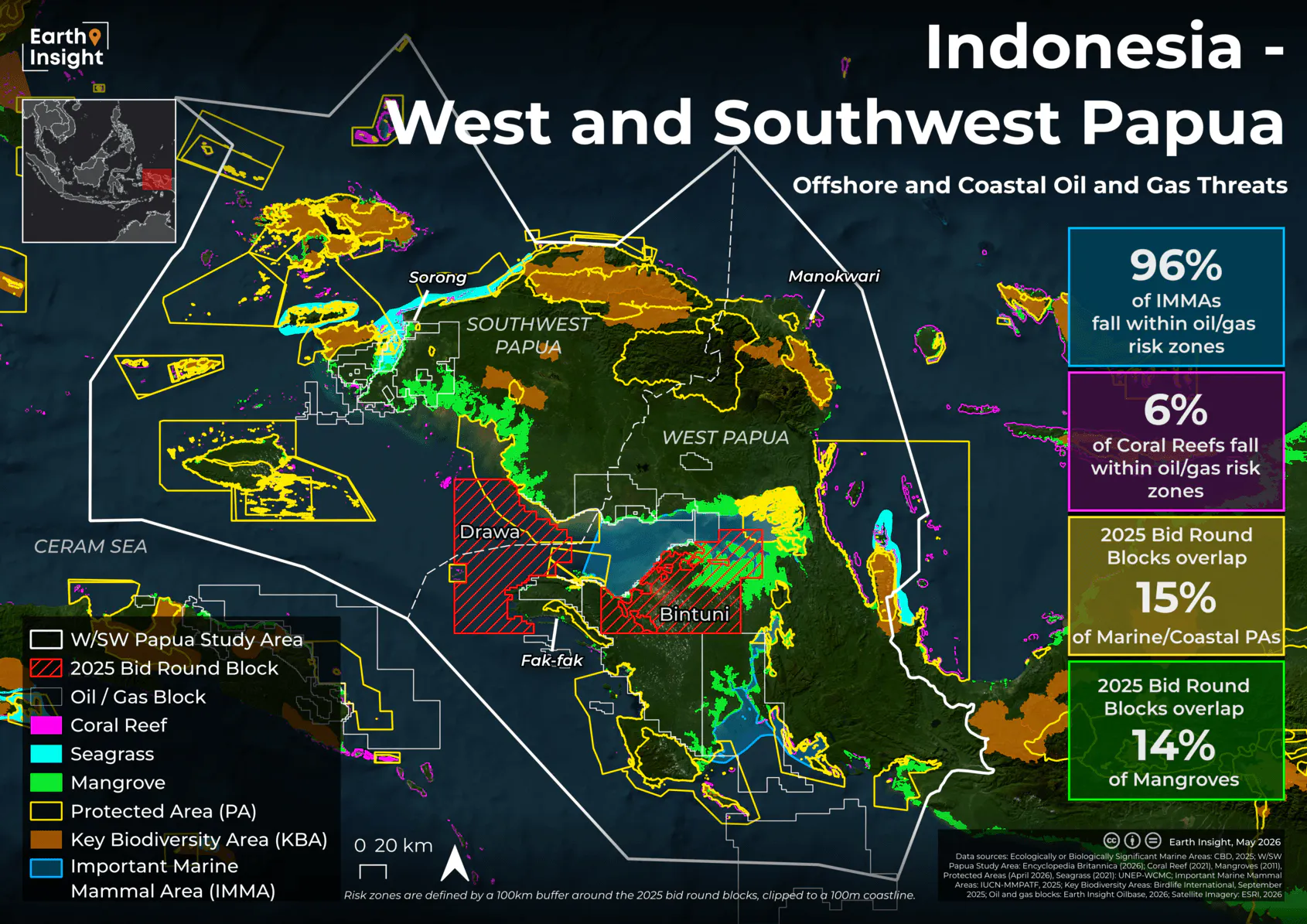
Indonesia’s new offshore blocks affect protected areas within the Coral Triangle, including mangrove-rich regions of West Papua.
Across the case studies, common risks include oil spills, seismic disturbance, underwater noise, vessel strikes, dredging, coastal industrialization, operational discharges, habitat fragmentation, and restrictions on fishing access. These impacts would fall most heavily on communities whose livelihoods depend on fisheries, tourism, subsistence harvesting, and healthy coastal ecosystems.
Read the report to learn more!